Three Days in Havana

Havana, Cuba: I spent a wonderful week in Cuba.  It was a whirlwind tour of the northwest corner of the island.  It is beautiful and remarkably safe: the benefits of a controlled society.

The food in Havana is a bit hit or miss.  The restaurants are dependent on what is available in the government stores because Cuba imports 80% of its food.

There is a lot of talk about visiting Cuba before Americans ruin it and it turns into another Miami.  With the embargo still in effect those days are a ways off.  But Cuba is in an interesting position because the government can look at other Caribbean islands, and Mexico, and plan how best to open its borders.

img_5302
“The Embargo: The Longest Genocide in History” On the highways in and out of Havana there is still a lot of propaganda against the embargo.

img_5313
“Normalization is not Synonymous with Embargo” The Embargo is still a hot button issue in Cuba and in the United States. And while the countries have begun to communicate more effectively for the first time in 3 generations, this issue will be a huge hurdle to overcome.

img_5308
“Long Live Cuba, Young and Strong” Cuba has an aging population and, as a socialist country, the government recognize that policy has to change. But change has been slow and the younger generations continue to emigrate.

img_5307
Cuba is the 2nd oldest country in the Americas after Canada. Migration is highest among 25-35 year olds, and most emigrees are young women.

img_5310
Three out of four Cubans work for the government. The private sector is still small and cannot employ the remaining 25%. All Cubans engage in “La Lucha” (the struggle).

img_5303
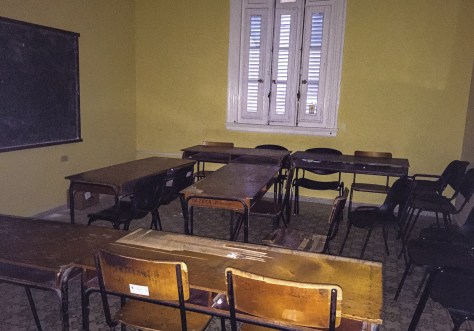
The University of Havana is the most prestigious university in Central America. This is a classroom in the Hospitality Department.

img_5306
Cubans rely on remittances from family members abroad to supplement their income. The average salary is $20 a month. The additional income is not always enough to maintain a building. Most of the housing stock is 80 years old and 3 houses collapse every day.

img_5309
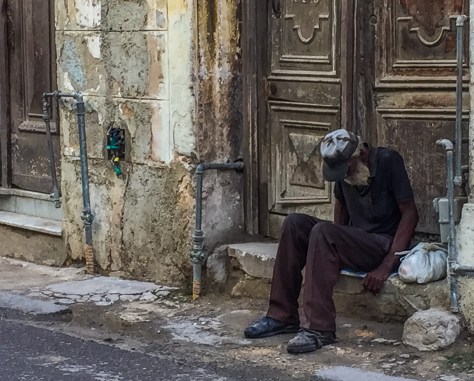
Homelessness is almost nonexistent in Cuba as housing is guaranteed by the government. But sometimes after buildings are condemned, and their owners are moved into temporary housing, squatters move in. Squatters are sometimes victims in building collapses.

img_5315
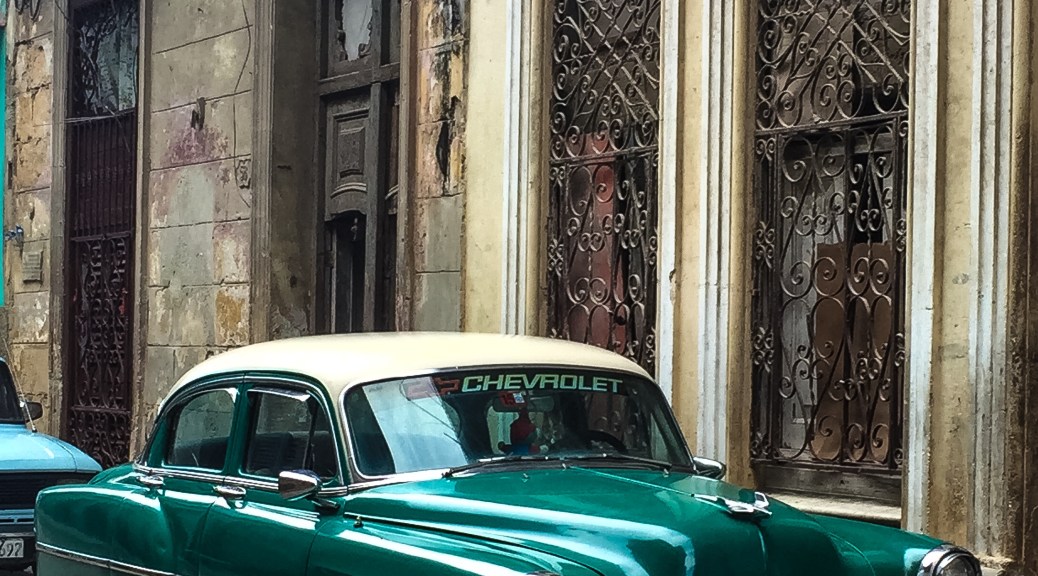
Old Havana’s streets are a riot of color. Cubans buy paint based on the remittances they receive. An architect in Havana points out that the lack of central management of the buildings favors individual tastes instead of collectivism.

img_5304
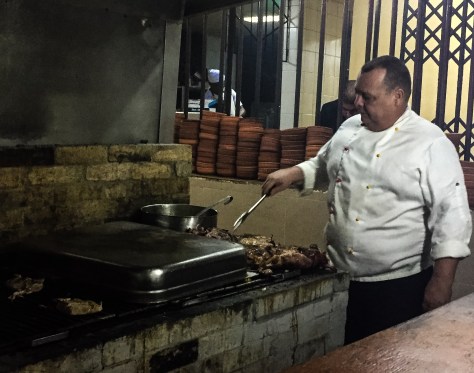
The kitchen at the Hotel Nacional. The Hotel Nacional is run by the government, which now compete with the nascent private sector restaurants: paladares.

img_5305
High fashion in Havana. Clothes in Havana are pretty casual, but Beyonce and Kim Kardashian’s visits had an impact.

In the Tobacco Fields

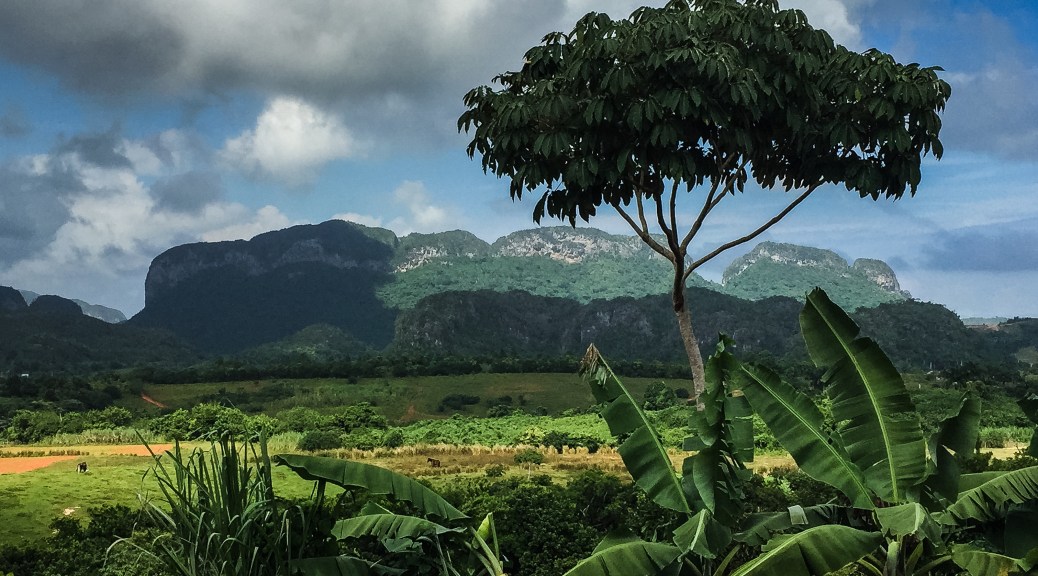
Viñales National Park, Cuba: During my trip to Cuba I spent a day in a beautiful valley three hours away from Havana.  The food was fabulous as were the cigars.

img_5319
Viñales National Park is home to tobacco farms and Cuba’s nascent ecotourism industry.

img_5317
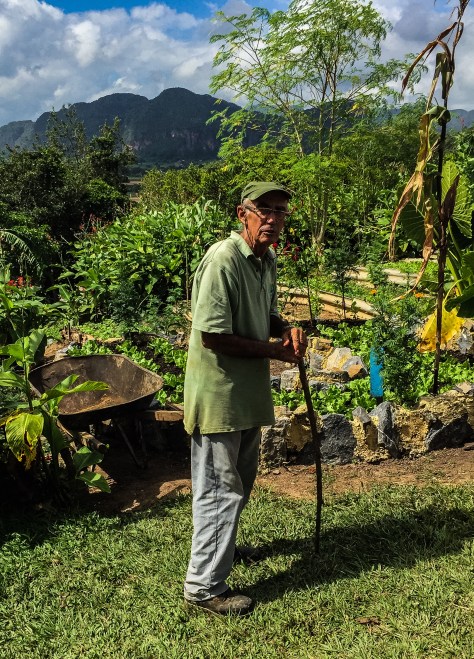
One such example of ecotourism is the Finca Agroecológica el Paraíso. The privately owned farm donates 90% of what it produces to people in the valley and sells the rest to tourists at its restaurant. Martín works at the farm and takes pride in their organic produce.

img_5312
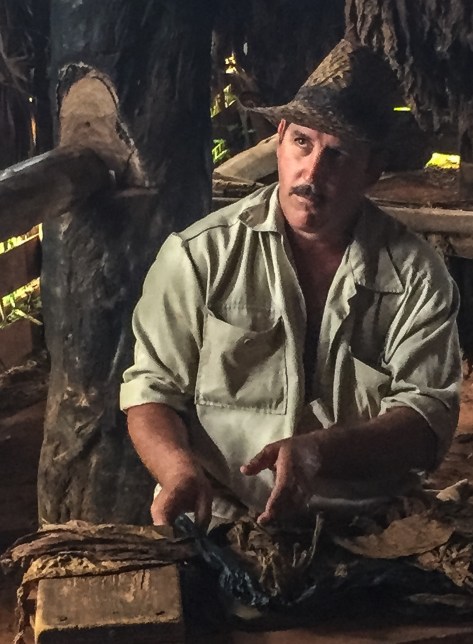
Iván is a fourth generation tobacco farmer. He sells 90% of what he grows to the government. The rest he keeps for personal consumption and the occasional off the books transaction with tourists.

img_5316
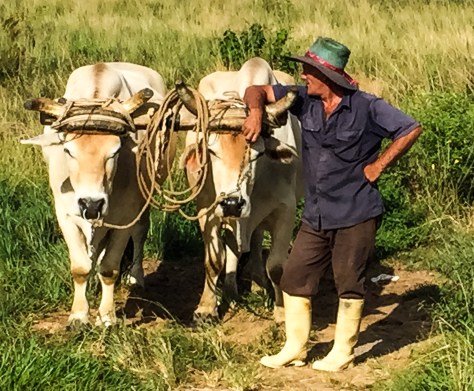
In addition to old cars, Cuba does not have modern farming techniques. Many fields lie fallow.

img_5320
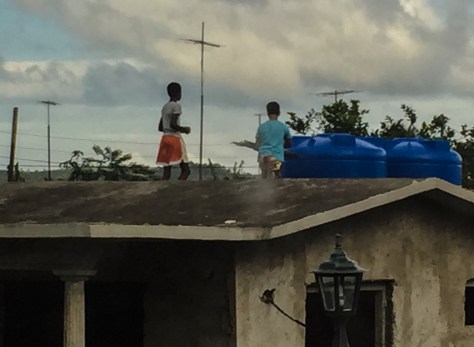
Many parts of Cuba are experiencing a drought. Water basins to store rain water are common on roofs throughout the country.

There’s time to finish the game and beat the Spaniards too

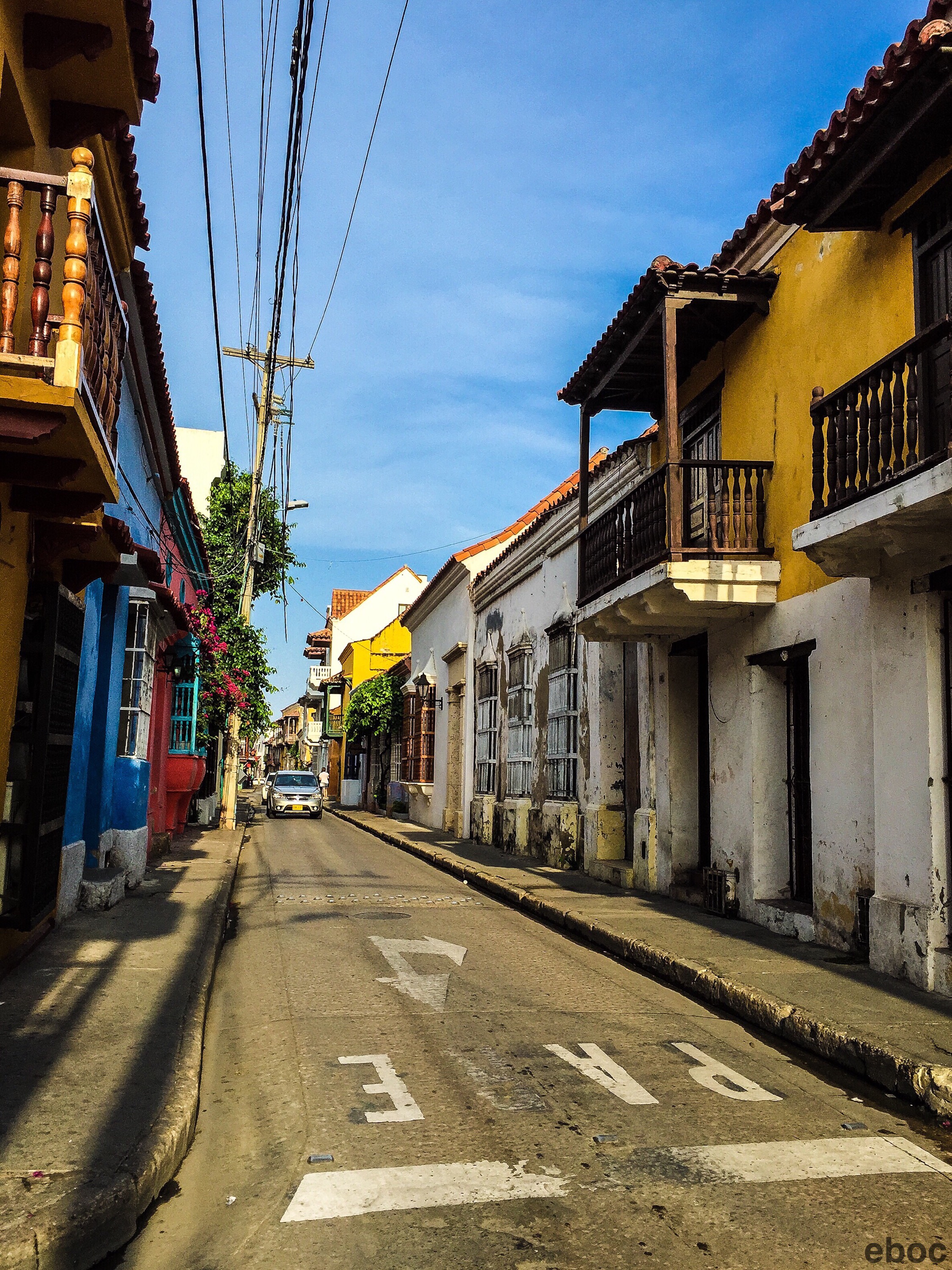
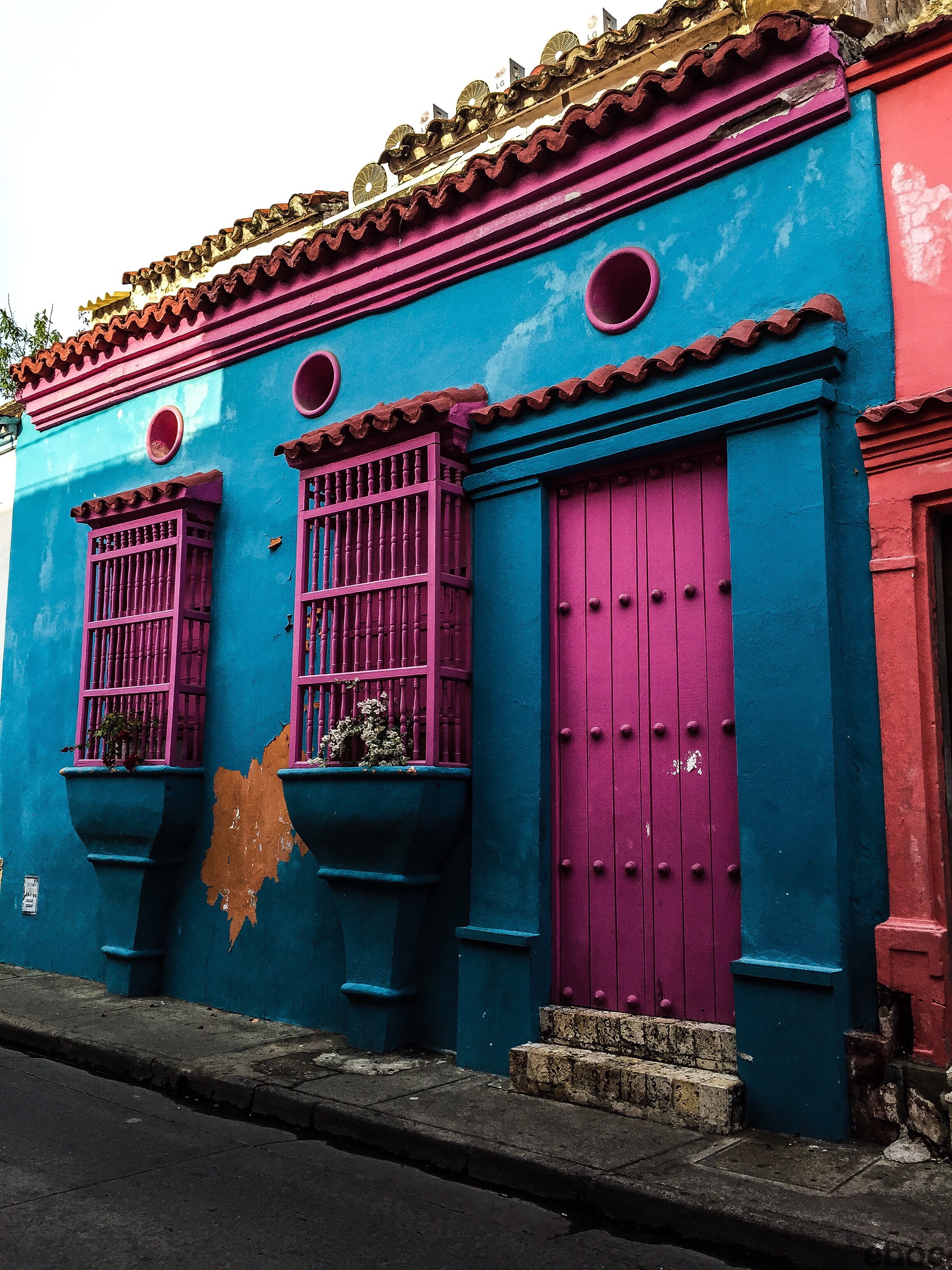
Cartagena de las Indias, Bolivar, Colombia: The colonial section of Cartagena looks exactly like it should: it has colorfully painted narrow streets, buildings that have beautiful wrought iron balconies and lovely flowers on them, great churches, and quaint plazas.

 
It’s postcard perfect and ideal for any history nerd. 

 
Outside of the original walled city is the Castillo de San Felipe de Barajas. It’s an impressive structure that still looks over the city and the harbor. 
  

The heat is also impressive. It’s the kind of heat that makes you think about every step you take: you don’t want to spend excess energy. 

  
Exploring the fortress made me think of two things:


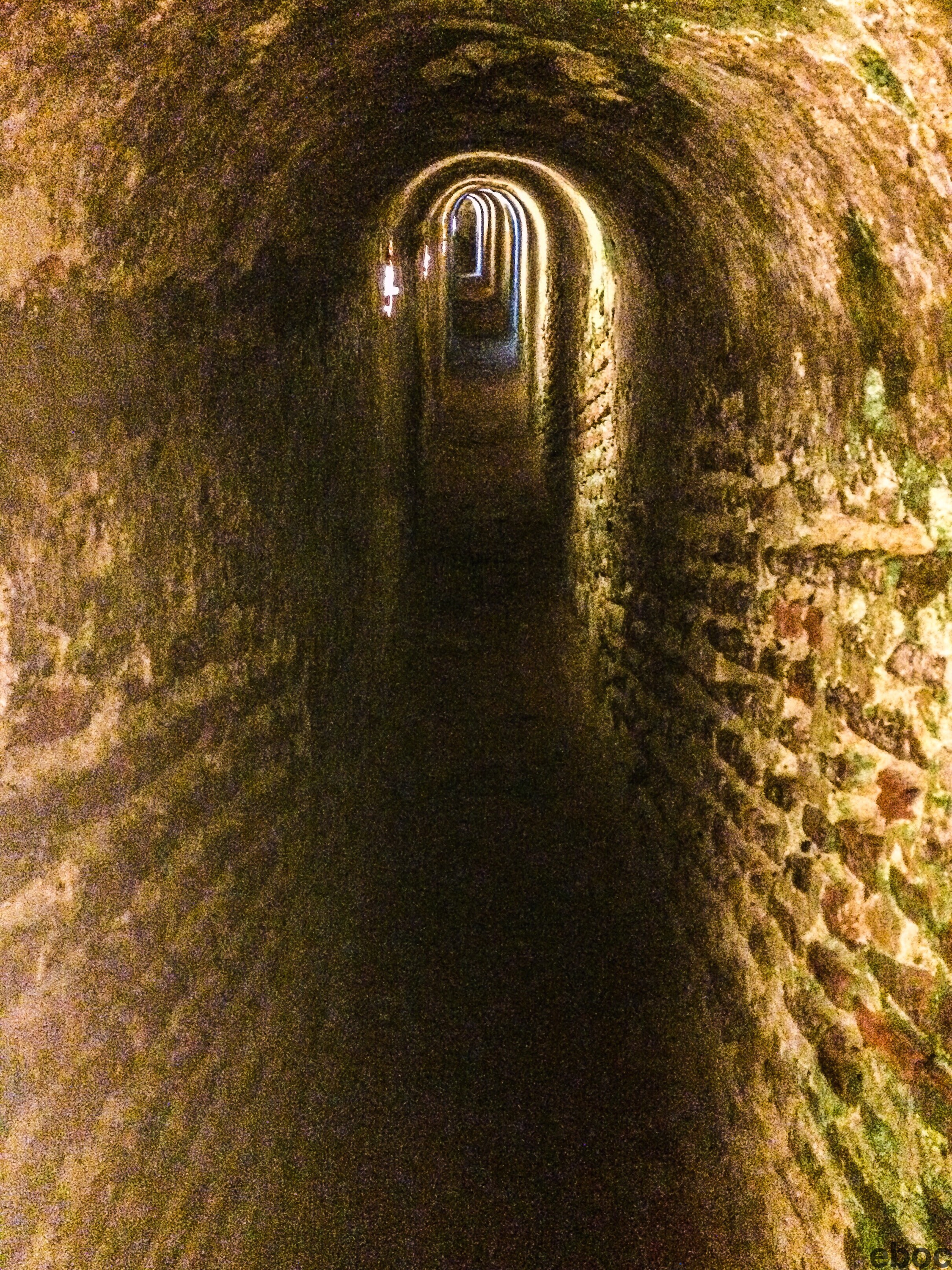
  1. I fully expected to turn a corner and see Sir Francis Drake coming towards me, sword drawn as he’d just breached the fortress’s walls. Wandering through the tunnels is really fun and you can let your imagination run wild.  
  2. It also reminded me of a truly creepy Edgar Allen Poe story, The Cask of Amantillado. Some niches in the catacombs would be the perfect size for Montresor to bury Fortunato alive. 


This was my second time in Cartagena — I visited it in mid-June during my first stint in Colombia. Because I’d already done the heaving sightseeing I opted to escape the heat and go to Playa Blanca: an hour west of Cartagena. 

      
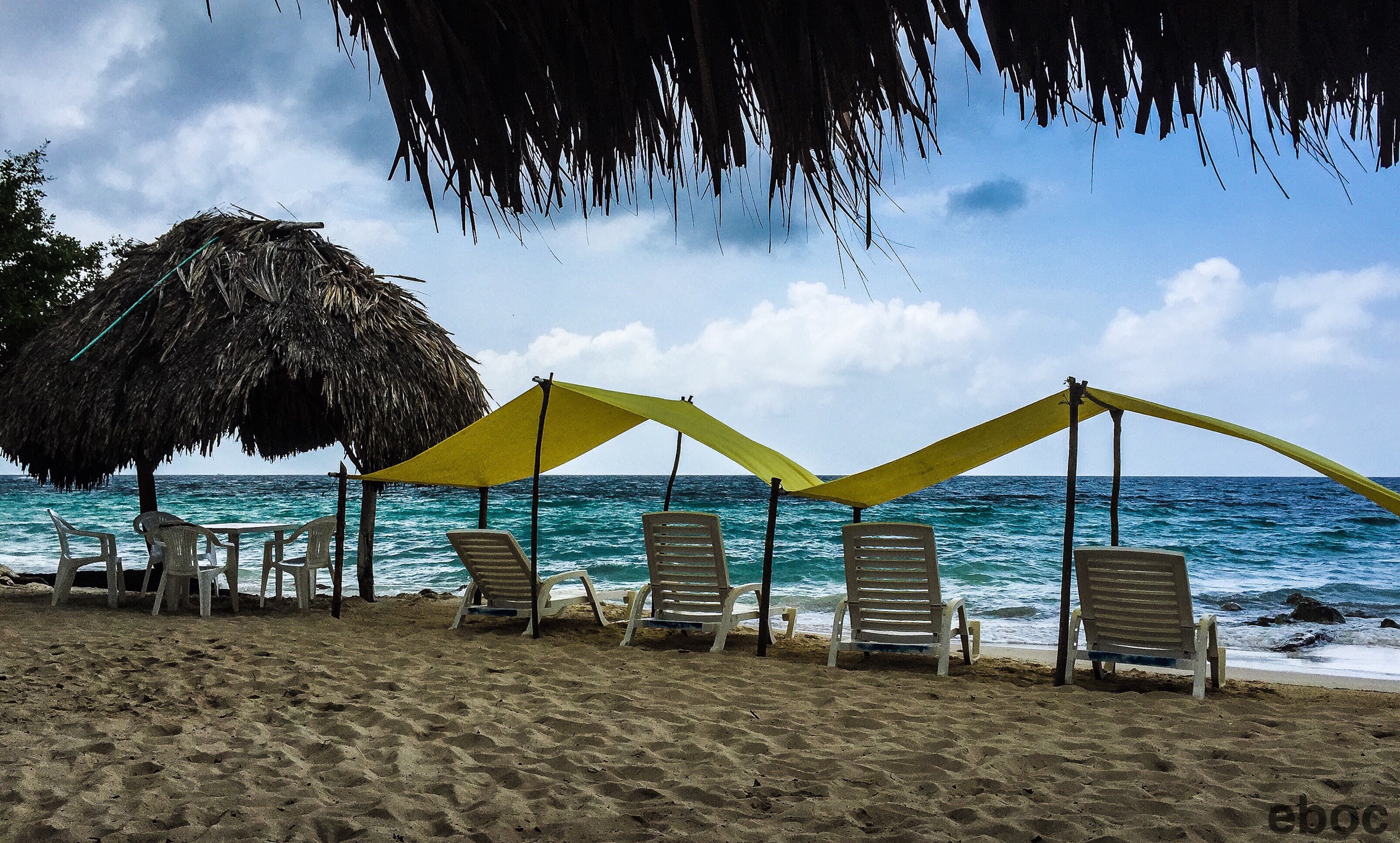
    True to its name the sand on the beach is white. It was a little overcast on the beach, but it was also delightfully cool and a great place to spend the day on the Caribbean. 


    Bring out your dead

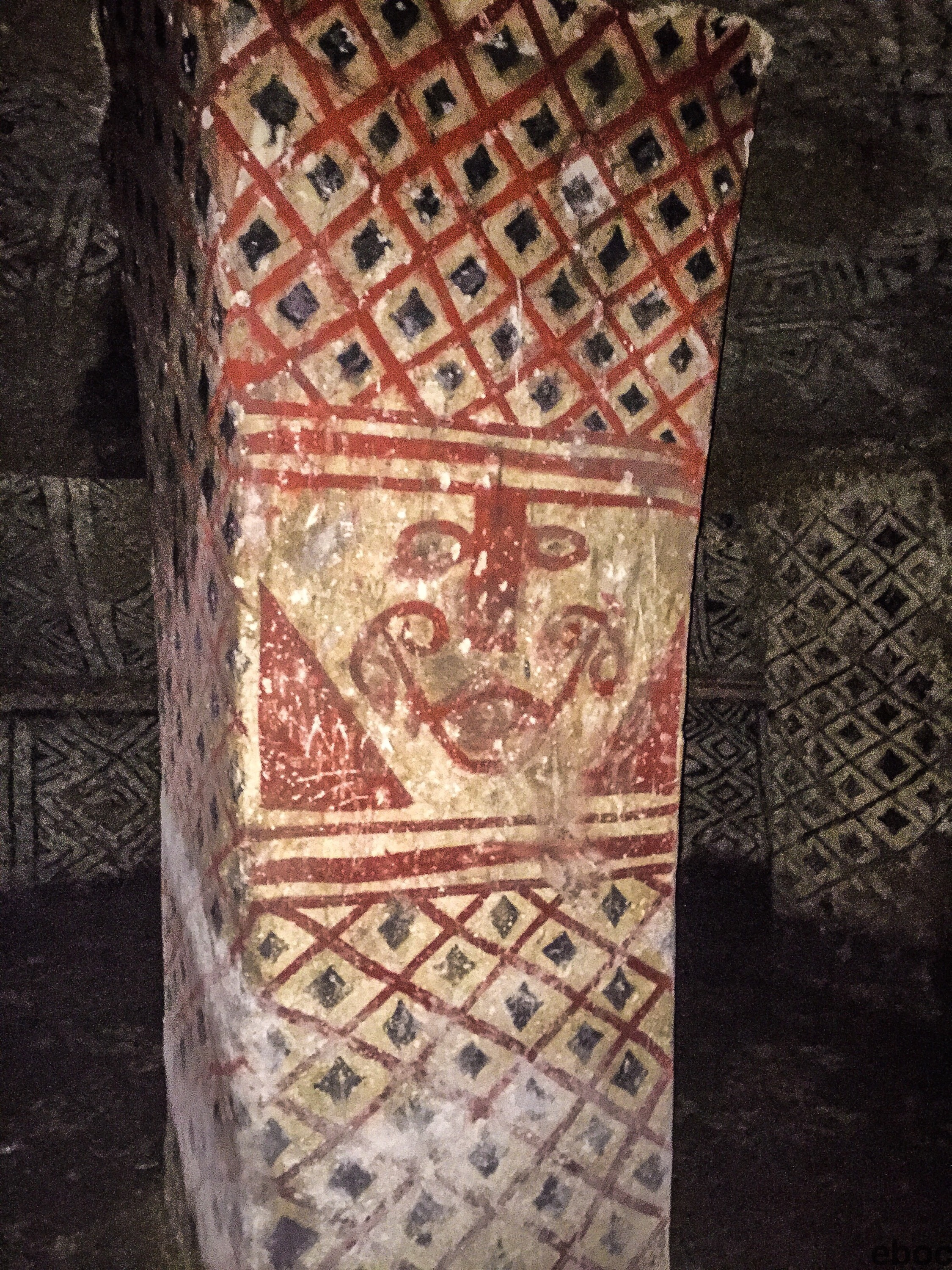
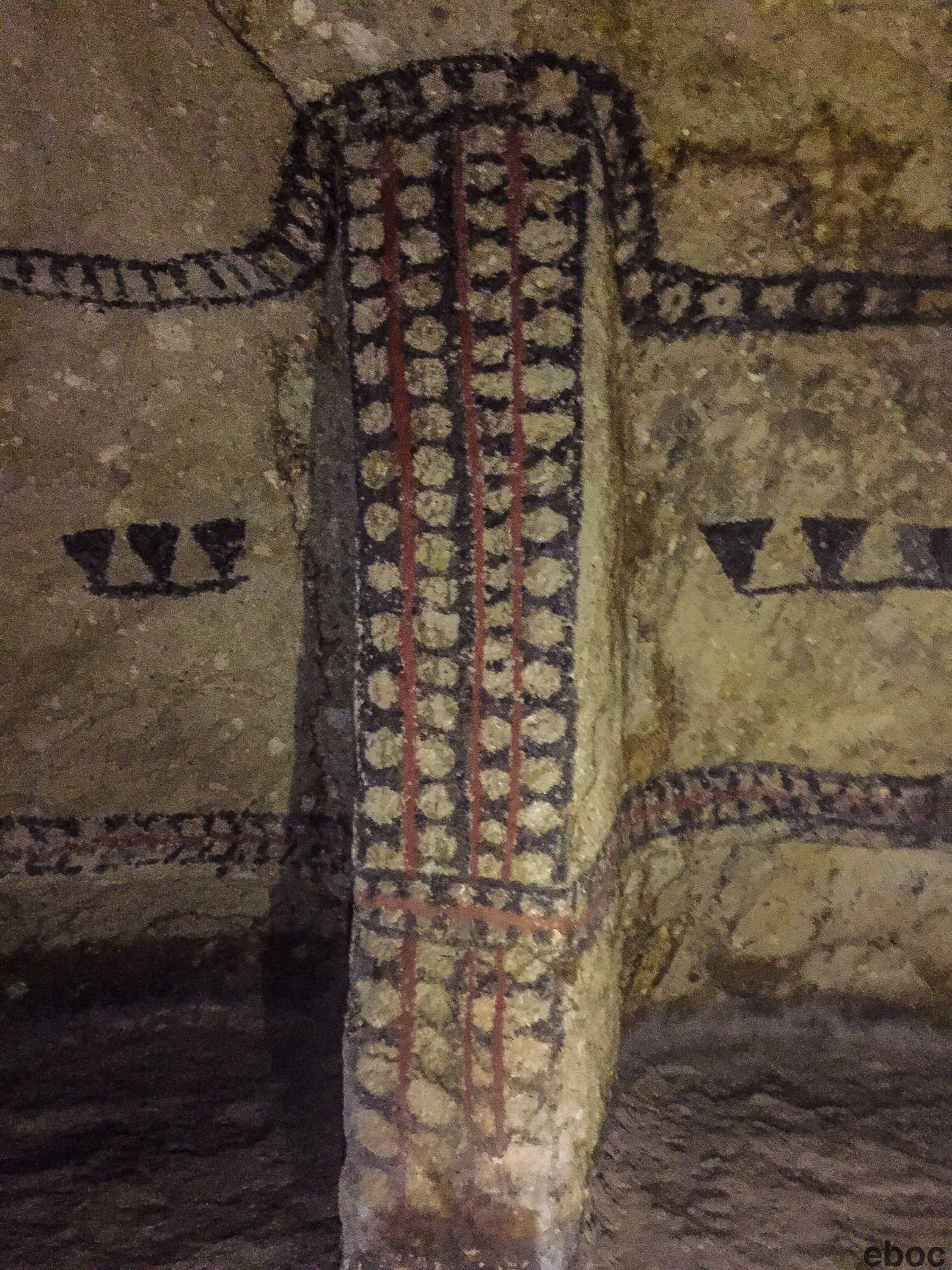
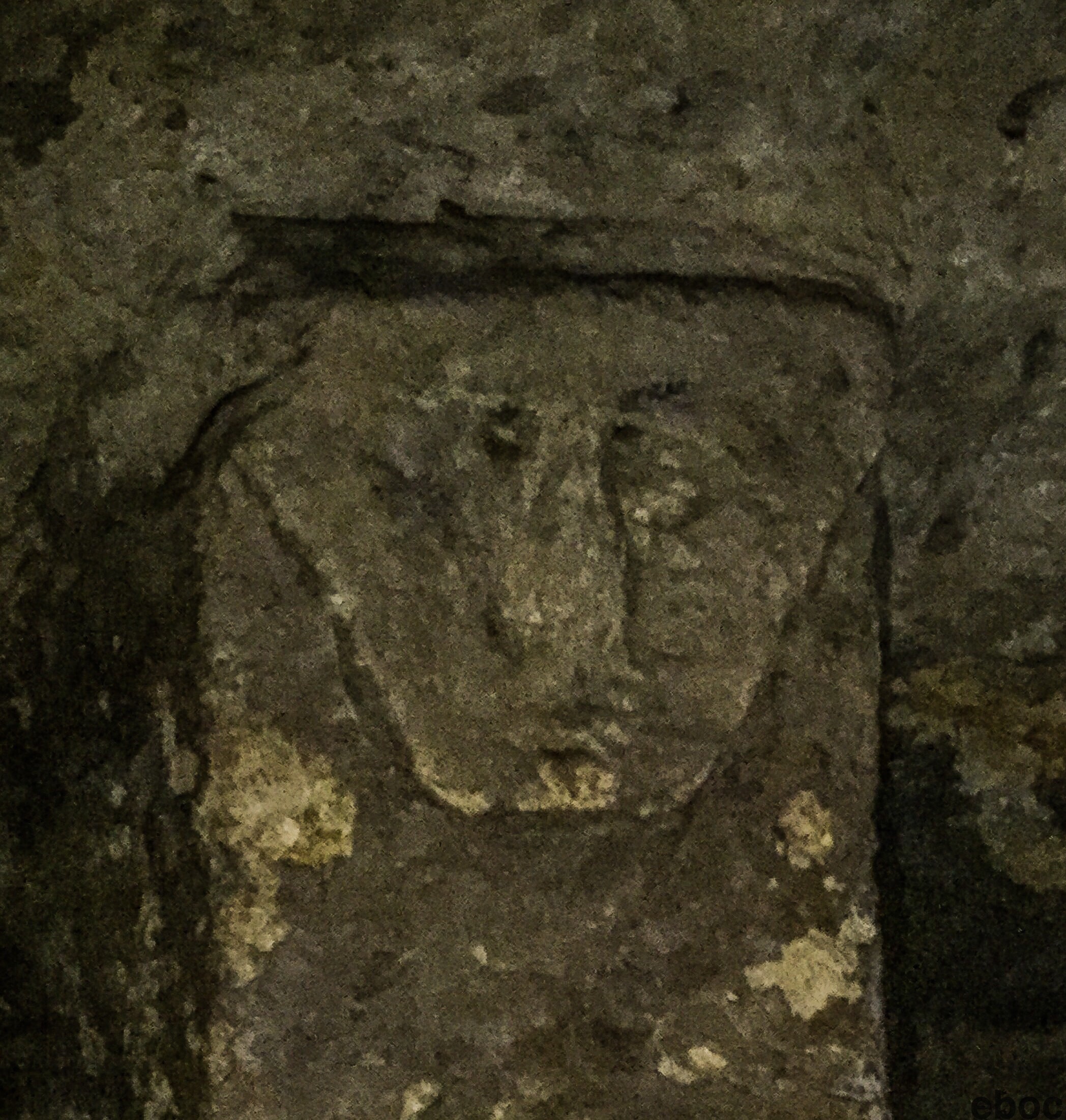
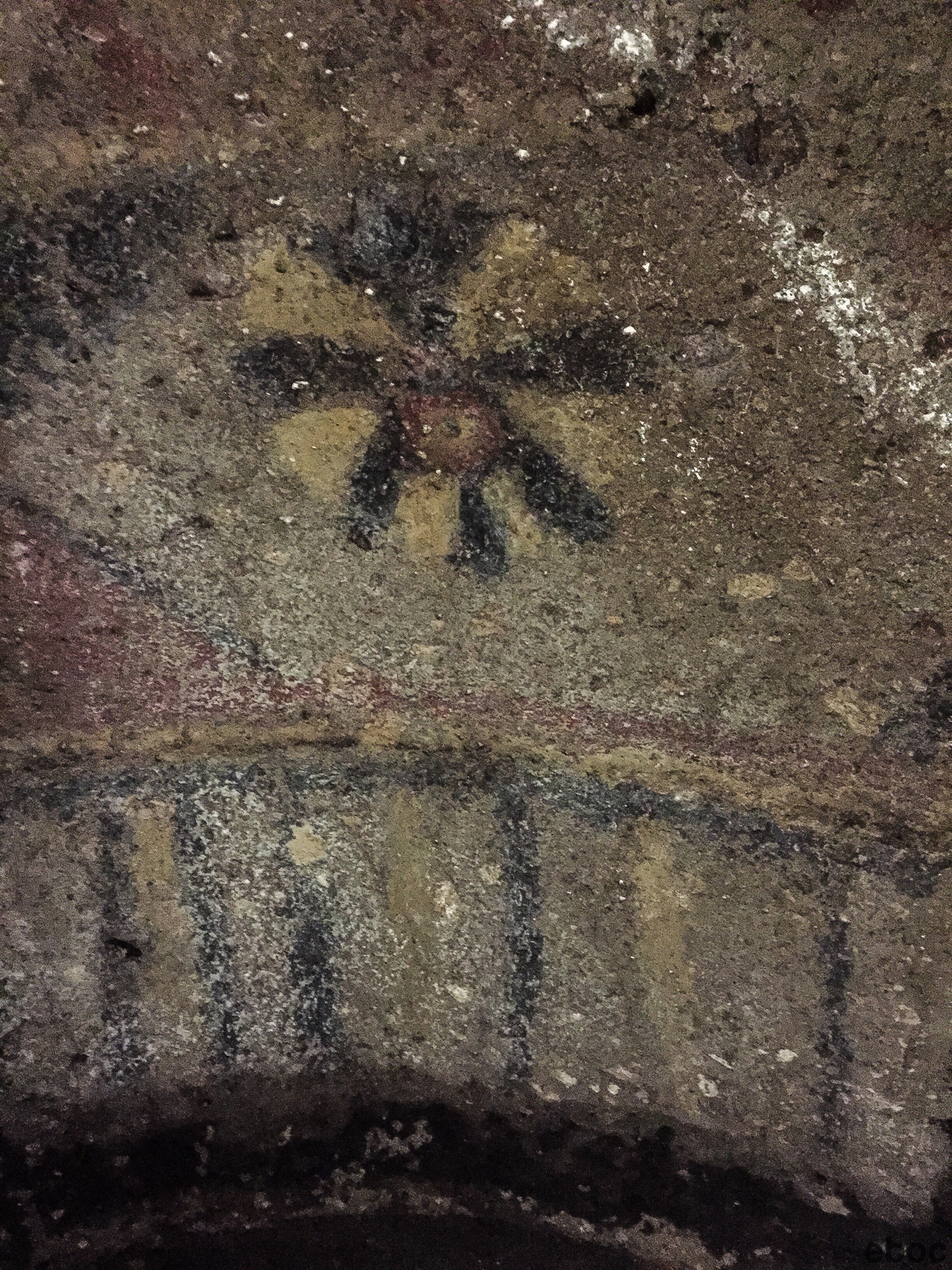
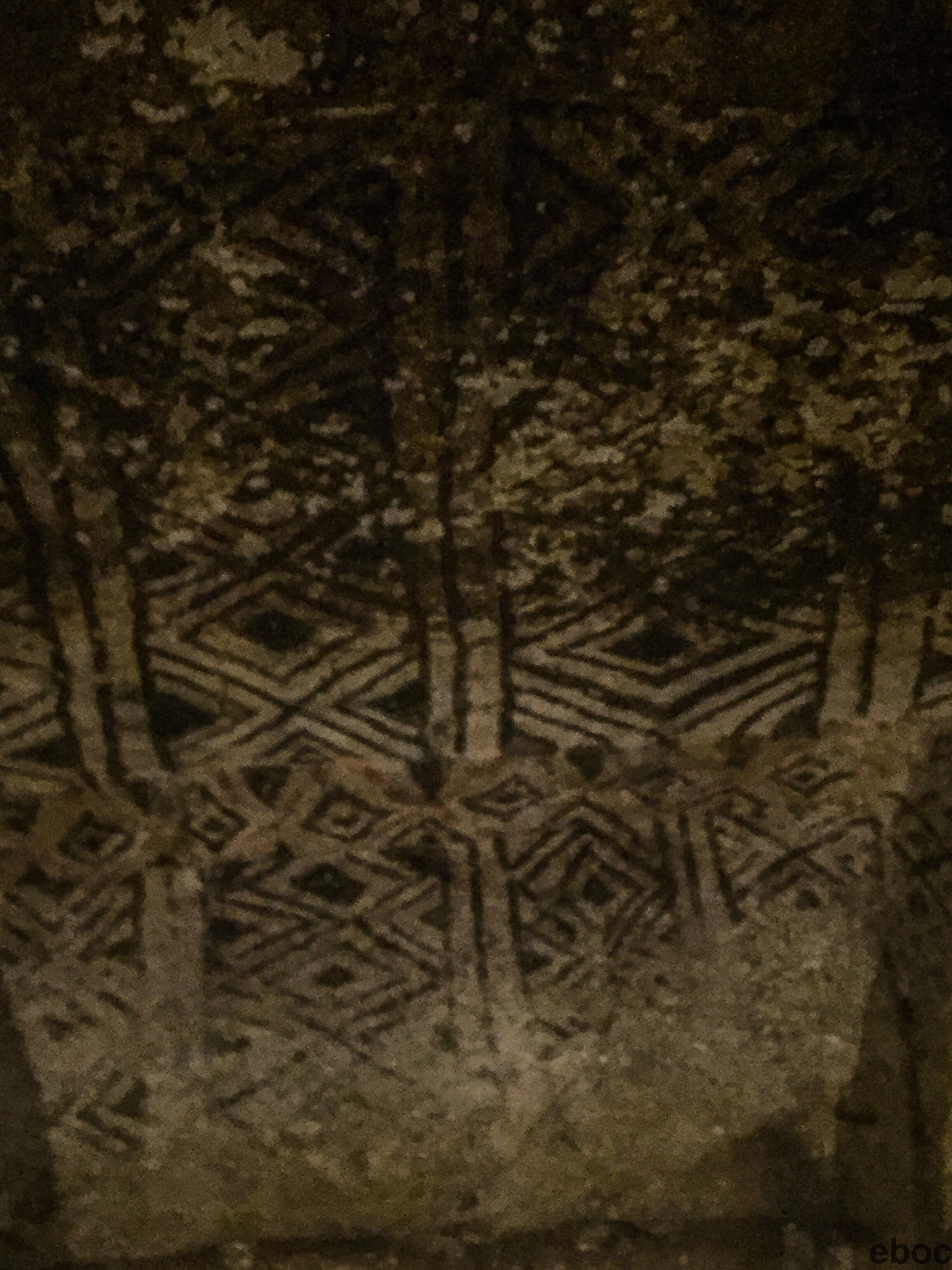
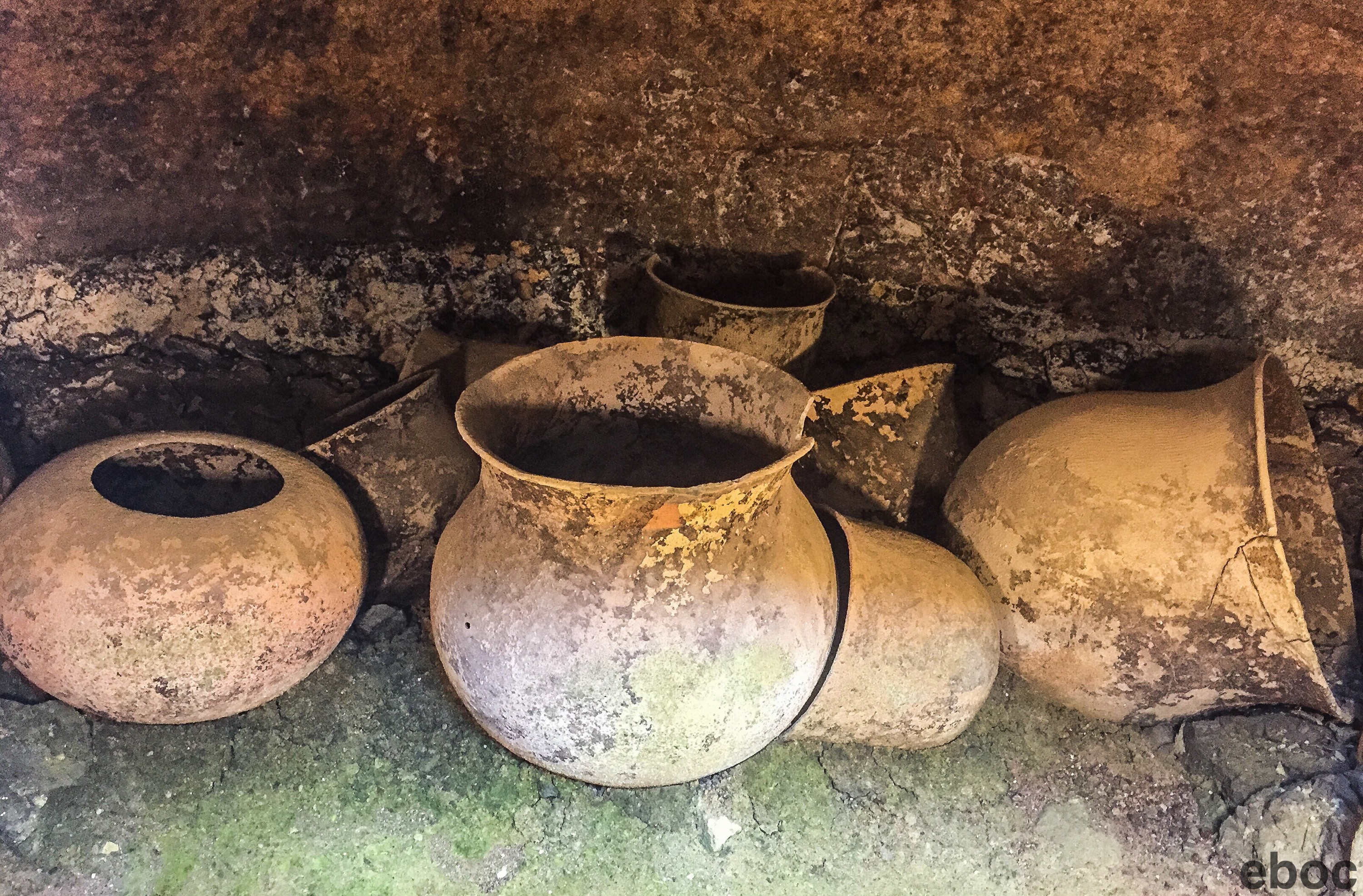
    San Andrés de Pisimbalá, Inzá, Cauca, Colombia: Pre-dating the statues in San Agustín the tombs in Tierradentro were built between 2000 and 1100 years ago. 

     
    Most of the tombs have been carved into the ground on the tops of the hills. The tombs are underground and to get inside each tomb has 5-13 steps that range between 1/2m–1m high a piece.  

     
    The people who built the tombs were either very tall or very flexible. 

     
    As is true in San Agustín very little is known about the people who constructed the tombs. The Nasa, the indigenous people who live in the region now, say that they are not descended from the group that built the tombs. 

     
    But the ancients obviously wanted their dead close to the sky. 

     
    Tierradentro is described as the most important archeological site in Colombia but frankly it’s a bitch to get to. 

     
    The day I tried to go there was a protest: local teachers closed the road from Popayán to San Andrés. I had to go the long way around via La Plata. 

     
    San Andrés was a guerrilla stronghold until a few years ago, so you would think the government would have gone in a modernized this important tourist site as soon as they regained control of it. You would of course be wrong. 

     
    The paved road is on its way, albeit slowly, but the water went out while I was there and the town does not have cell service or wifi. 

     
    However, the mountains are beautiful, the tombs strange and it is well worth the hassle to go for a few days and hike around the valley. 

     
    What I found interesting is that the tombs built on the eastern mountains are better preserved than those built on the western mountains. 

     
    Those to the west get more rain and you can feel the humidity in the rocks. 


    Chimborazo

    San Pedro de Riobamba, Chimborazo, Ecuador:
    Two highlights from Riobamba:

    1) A cab driver asked me when I was going home to Spain; 

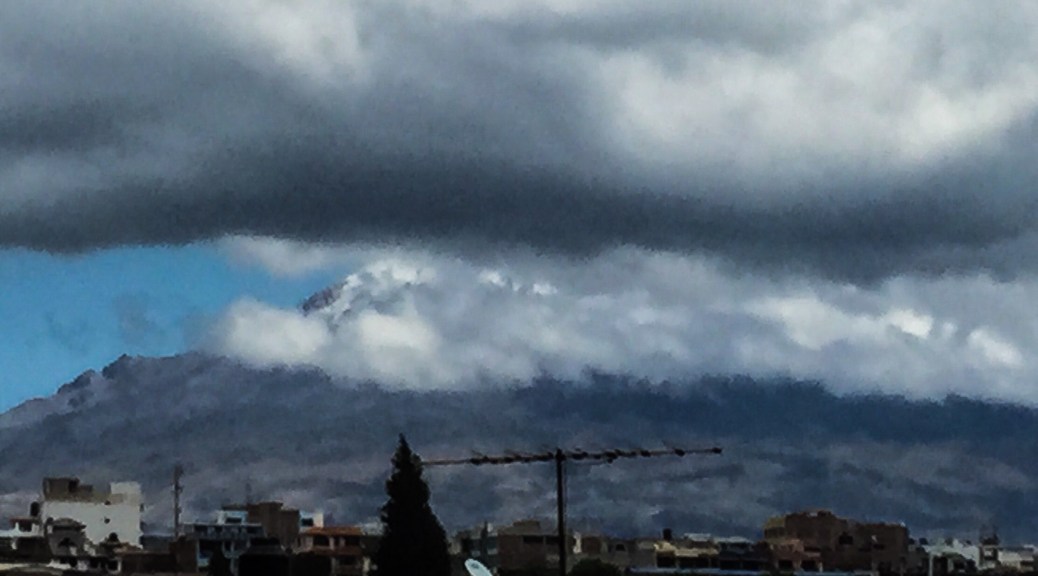
    2) A good view of Chimborazo. 


    Chimborazo is the tallest mountain in Ecuador (over 6,000 m) and taller than any mountain in any other country on the equator. Because it is the highest point on the equator its peak is the closest point to the sun on earth. 

    Take that Everest. 

    Dog Days in Ecuador

    Baños de Agua Santa, Tungurahua, Ecuador: I’m not going to make it to the Galapagos this trip, but after two weeks on mainland-Ecuador I think you can skip Ecuador if you are pressed for time. 

     
    Similar to Bolivia, Ecuador and I got off to a shaky start. However, unlike Bolivia Ecuador has not won me over for a variety of reasons. Many of which came to a head in Baños. 


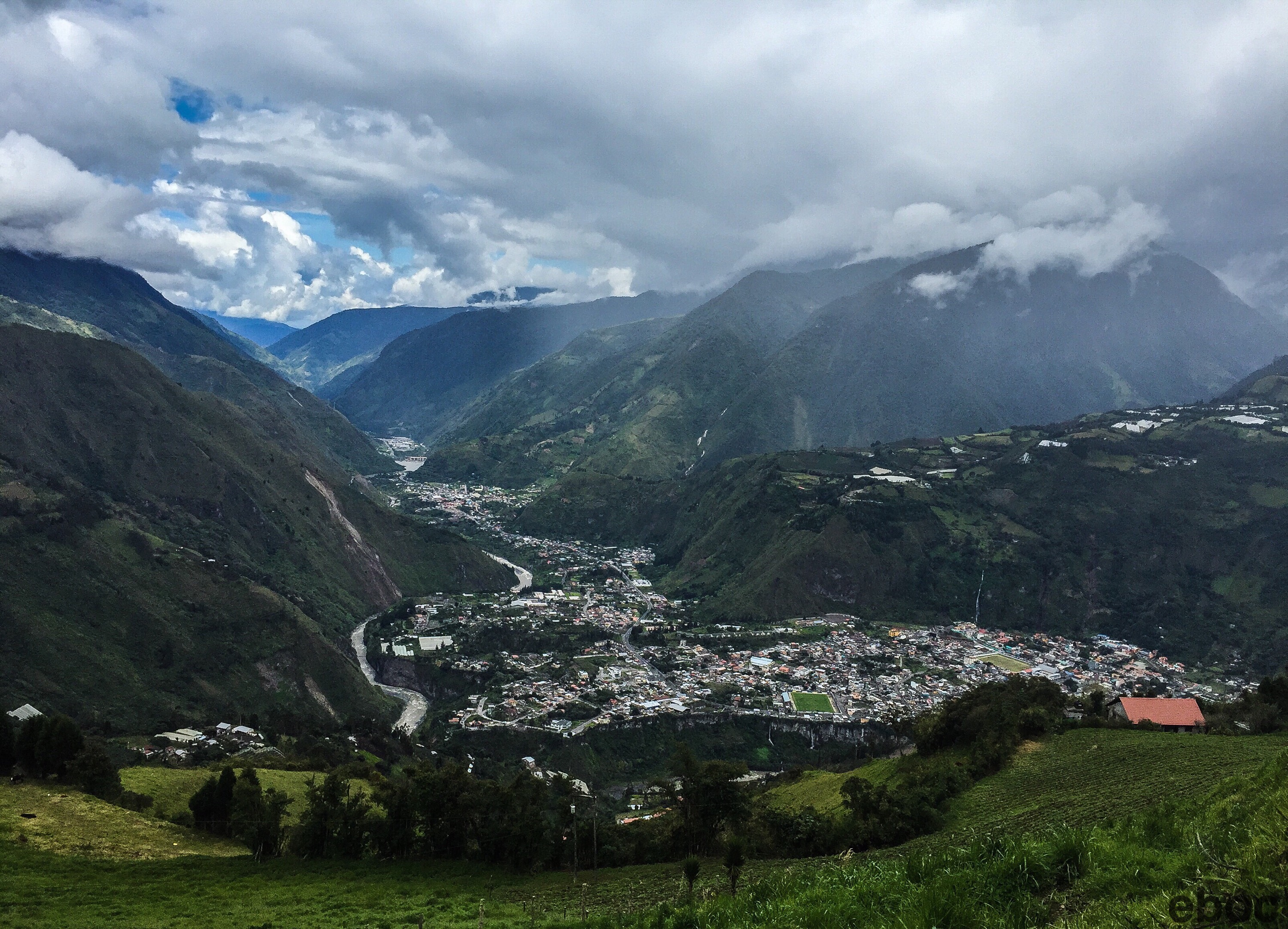
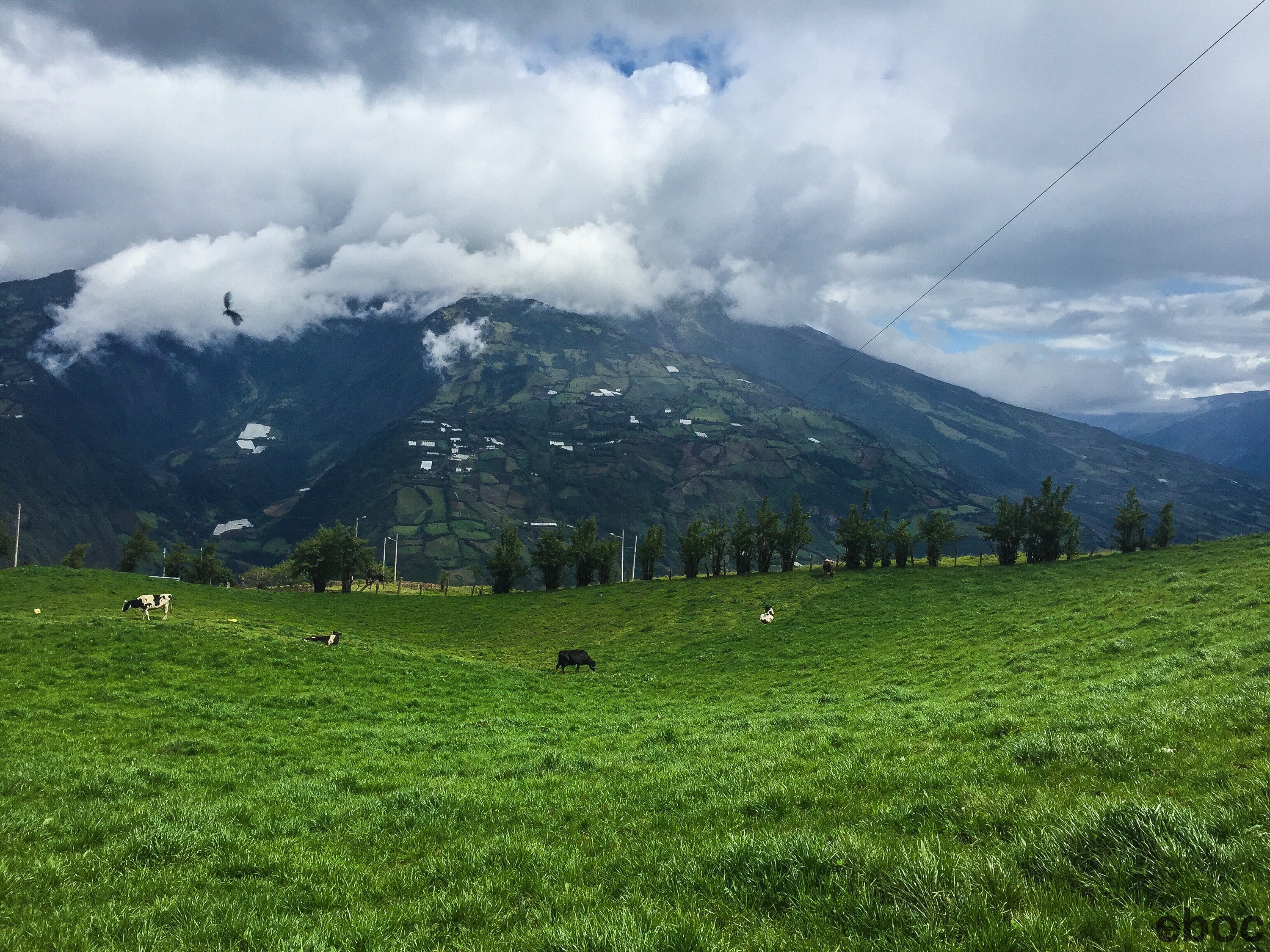
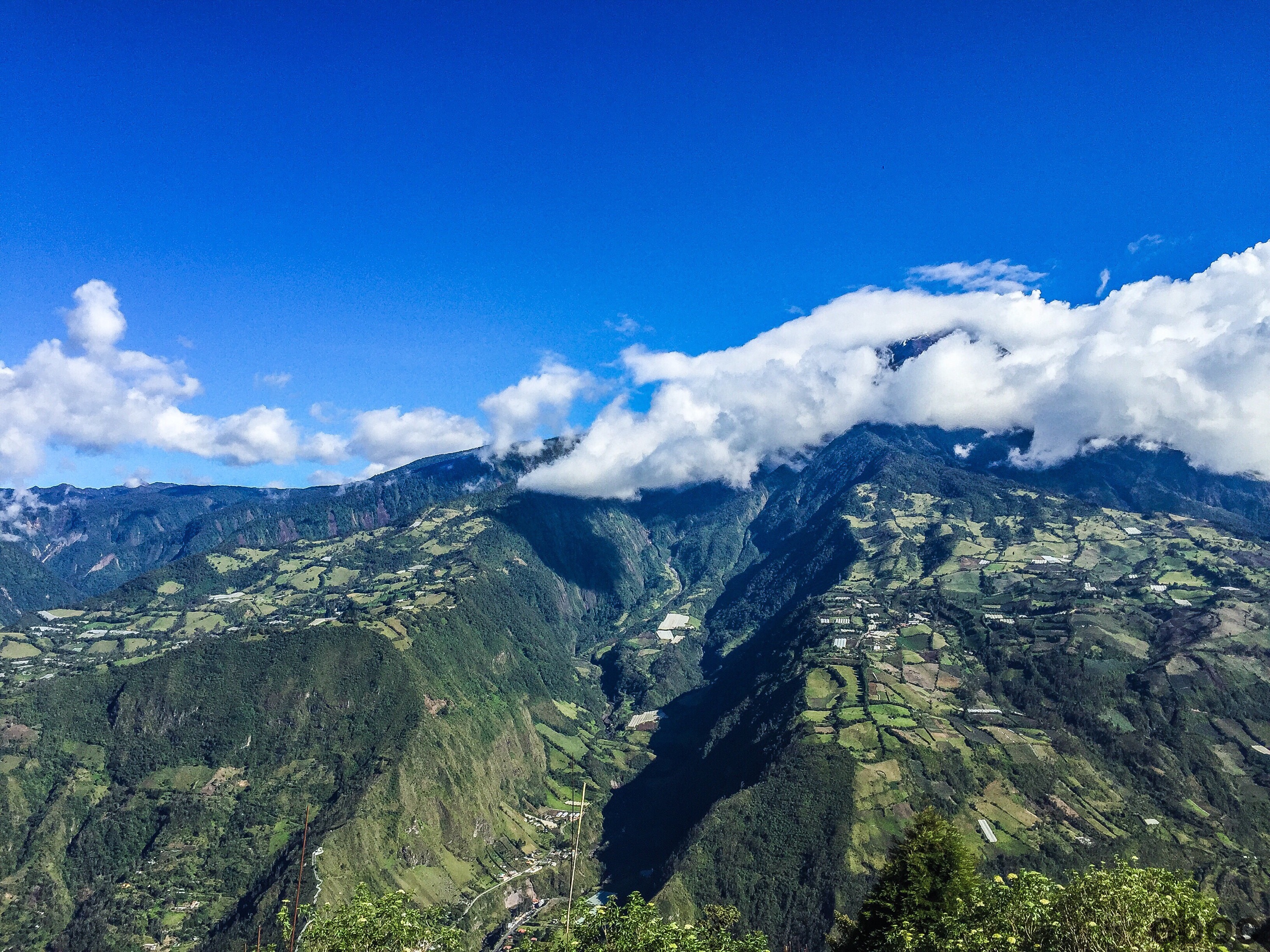
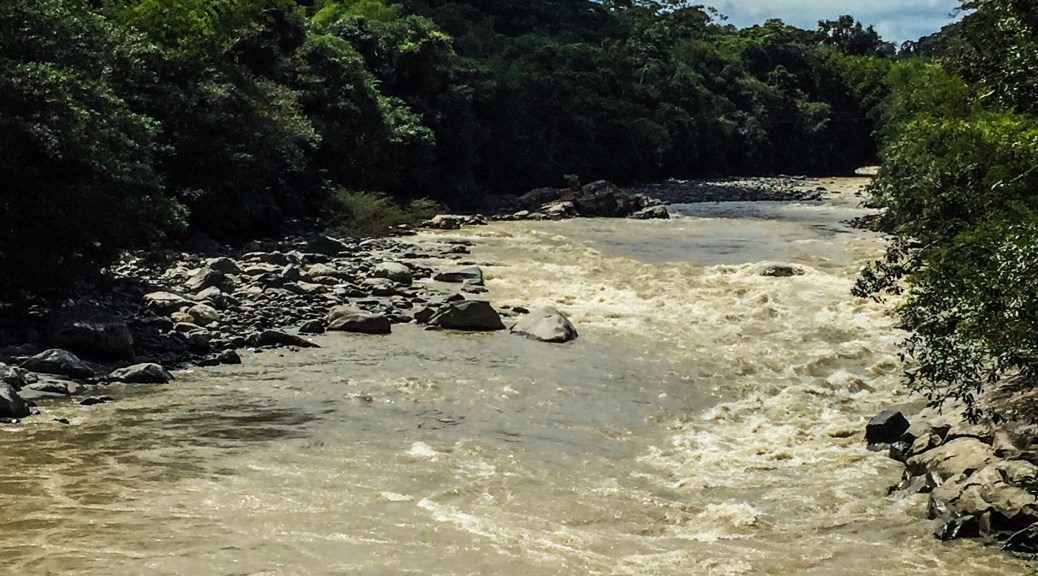
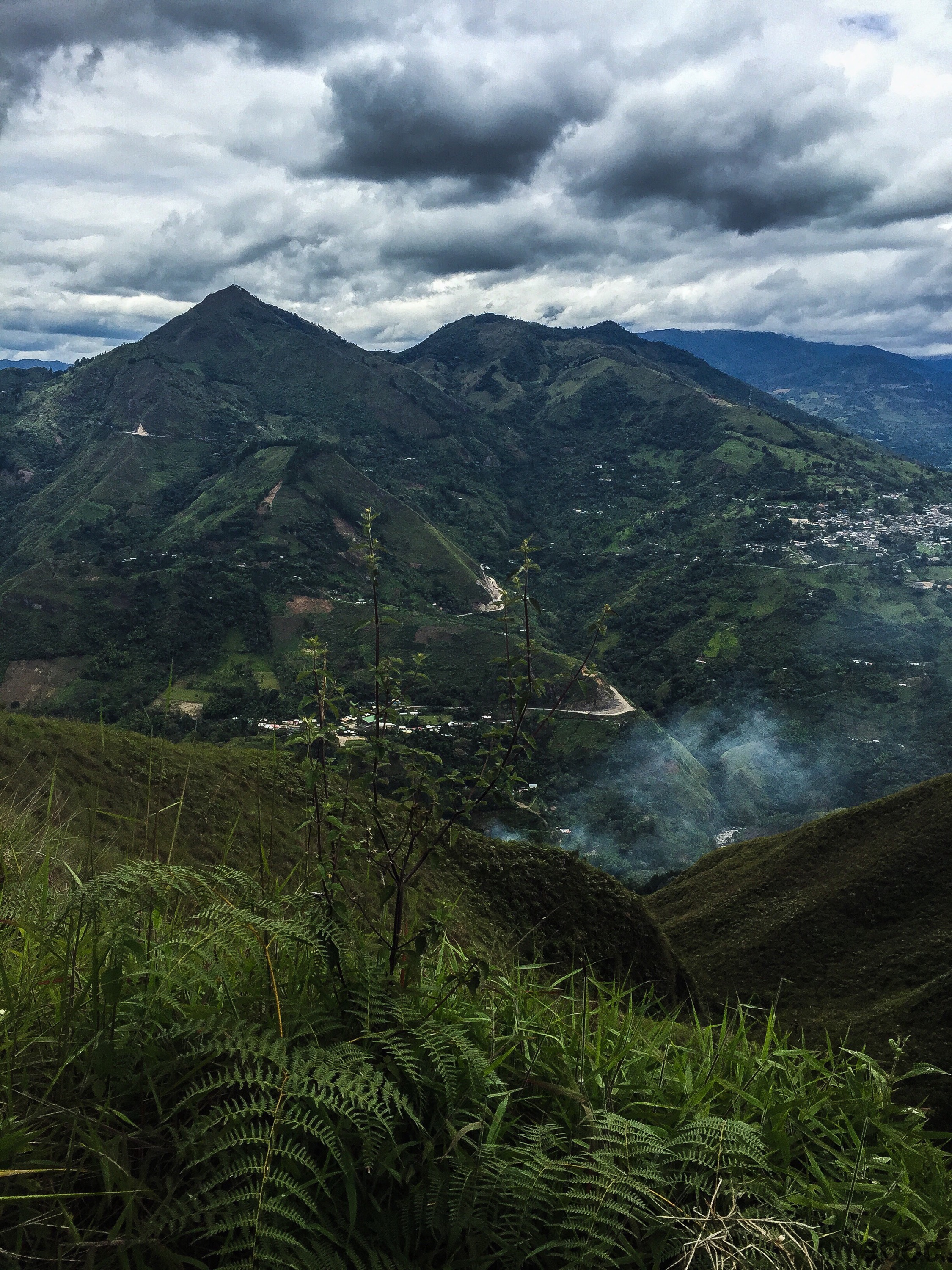
    Baños is in a beautiful valley, at the foot of the Tungurahua volcano, along the banks of the Rio Pastaza. The town is named for the thermal baths that come from the volcano, which is quite active. 
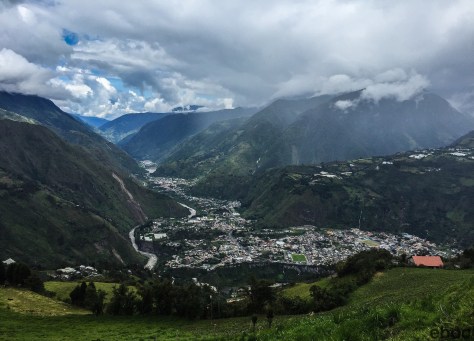
     

    One night I was standing outside my hostel and the proprietor pointed out smoke emanating from the crater. 


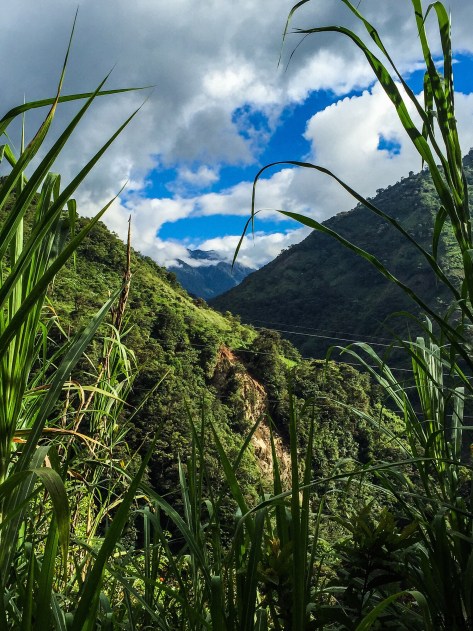
    On my first day in Baños I hiked up the mountain across from the volcano. There is a viewpoint near the top called Mirador Ojos del Volcán (“lookout: eyes of the volcano”). 
    It was a nice hike and gave me a good view of the valley. However, on my way back down I was attacked by a dog. 

    Normally my experience with dogs in South America has been they bark at me, put up a fuss, and then let me go. This dog came charging out of a driveway and bit me. 


    I was totally caught off guard. I was not the biggest dog lover to begin with and my feelings for them have not improved.  
      

    But I did get to go to the hospital clinic in Baños, which looked like something out of a 50s sitcom. 
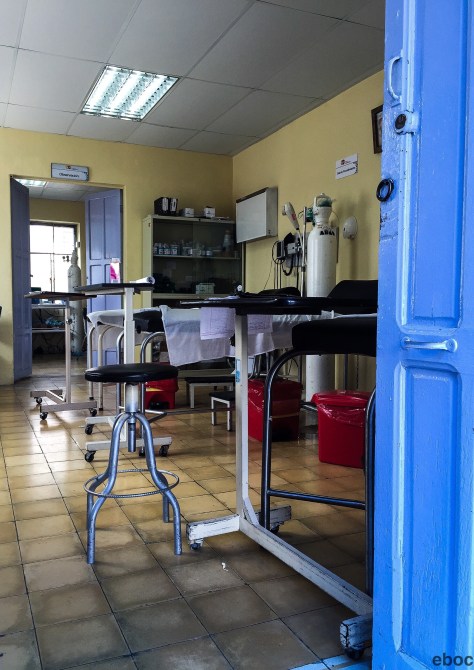
     

    Once I asked 100 questions to be sure I wasn’t going to get rabies (the nurse actually laughed at me) I was told to wash the wound out everyday and it would begin to heal.


    While I was in the clinic another tourist walked in with a dog bite. Maybe it’s something in the water. Either way the city needs a new anti-theft device. 
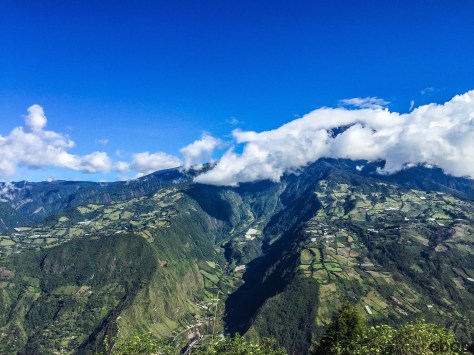
      

    Baños is Ecuador’s adventure sport Mecca. One such activity: jumping off of bridges. 
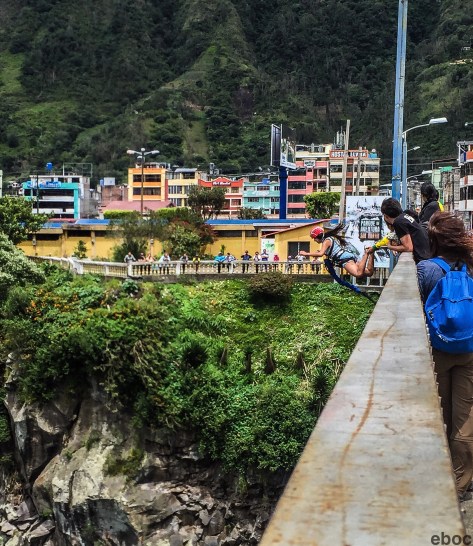
     

    But after my trauma I wasn’t feeling up for rafting, etc., so I went to the Cascada Pailón del Diablo (“Devil’s Bowl”). 


    The waterfall was on the other side of the mountains from Baños — in the direction of the Amazon. Just one mountain and already the climate felt different. 


    The Joys of Traveling by Bus

    Pasto, Nariño, Colombia: There is one road from Mocoa to Pasto that traverses one of the three mountain ranges in Colombia. It is roads like this that make it clear why Avianca is one of the oldest airlines in the world. 

    The mini-bus I took was delayed for four hours because of a landslide by the Pepino River. A woman on the bus who makes the trip frequently told me that this is all too common – like a flight being delayed out of JFK. 
     

    It’s not surprising that landslides are common when the rain runs down the mountains and across the road. 

    There was another landslide further up the mountain, so when we finally met the oncoming traffic there was a huge bottle neck. 

    We had to back up on hairpin turns and wait to let large trucks pass. 


    I felt as though we were going to reenact the final scene from the original Italian Job. 


    At the End of the World, Again

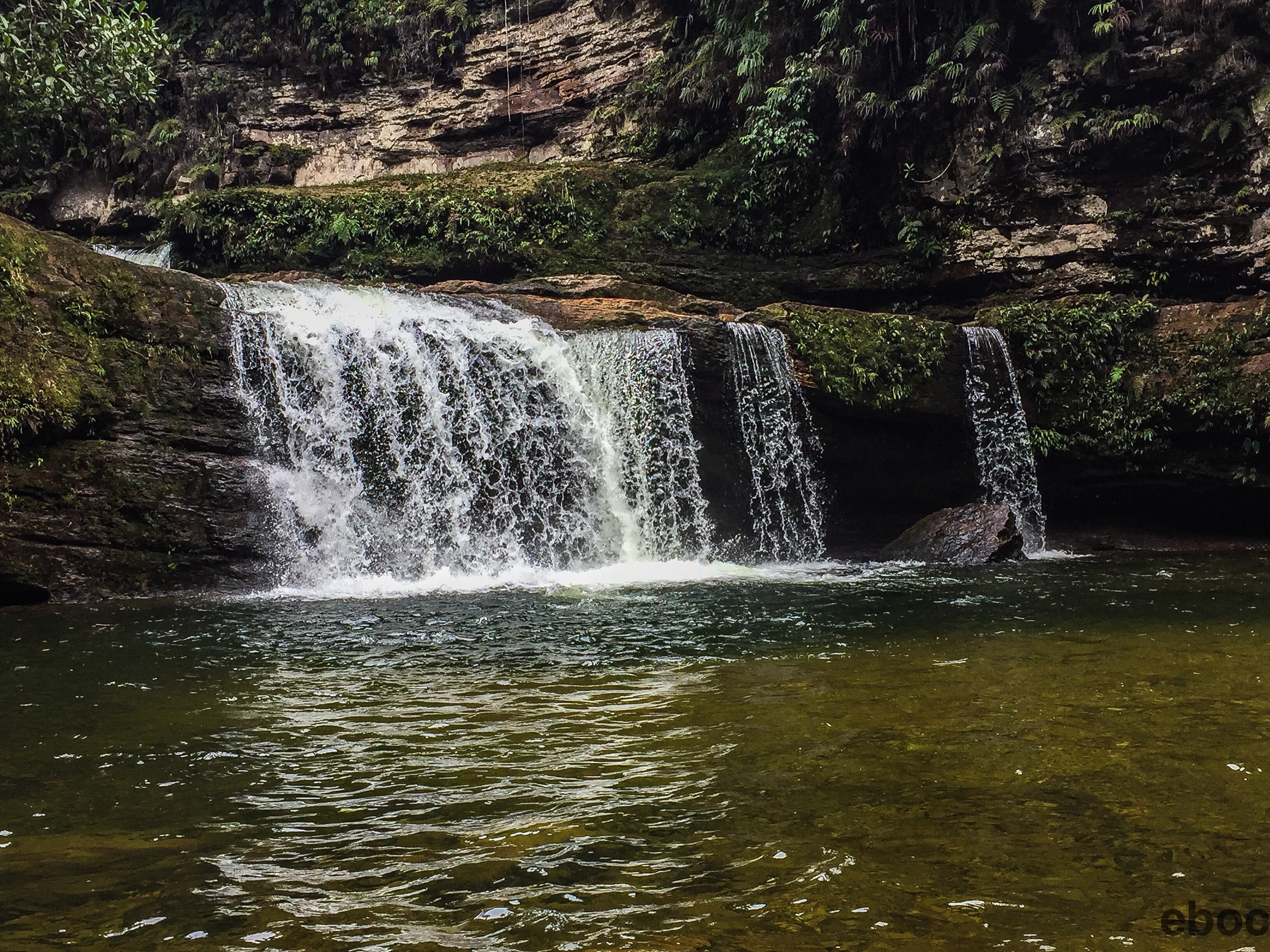
    Mocoa, Putumayo, Colombia: “El fin del Mundo” in Colombia is small cluster of waterfalls outside of Mocoa in the jungle. Mocoa is a fairly nondescript town. It’s a smaller version of Iquitos.  


    It’s a pleasant hike up a couple of hills and across two rivers. 

      
    The local story behind the name is that the local children would run through the jungle for what felt like an eternity and get to the top of the waterfall. The ground would fall away and they said it was like reaching the end of the world. 


    Apocryphal or not it’s a good story. And while it is a nice hike the people who named the waterfall obviously have not been to Iguazu. 


    Pre-Colombian Colombia

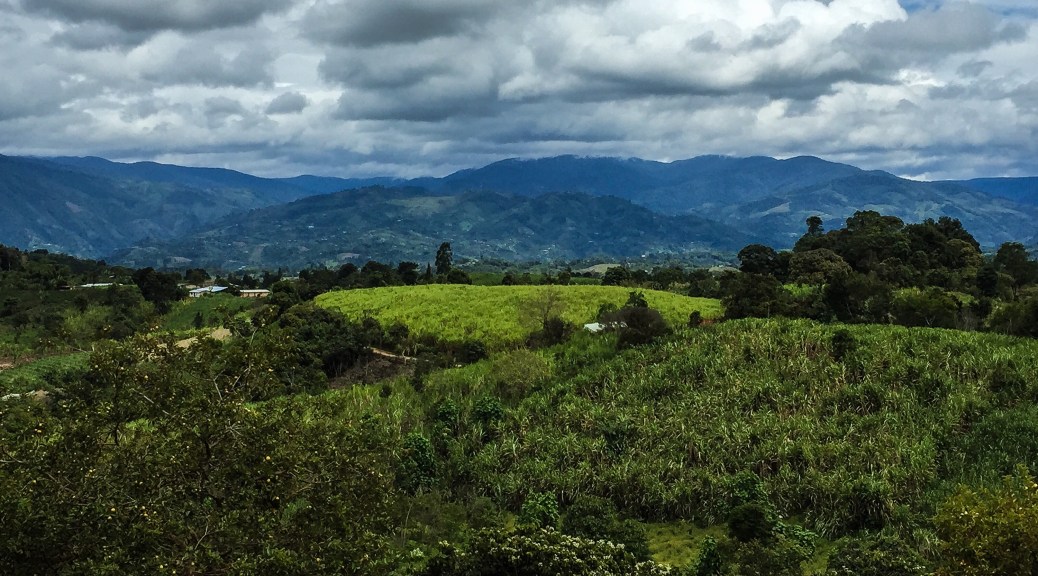
    San Agustín, Huila, Colombia: San Agustin is another small Andean town that I loved. It’s a bit bigger than Salento but fair less touristy. 


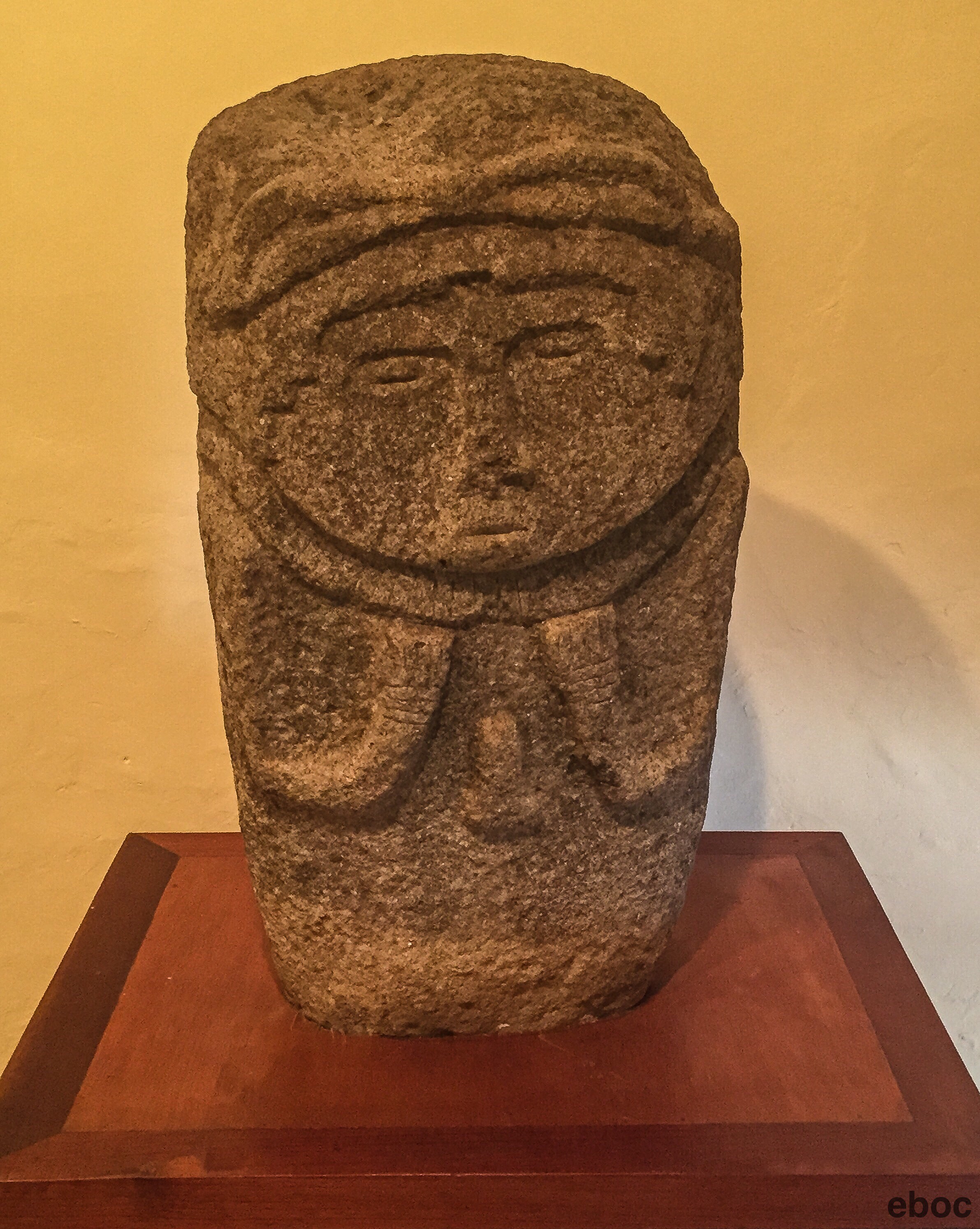
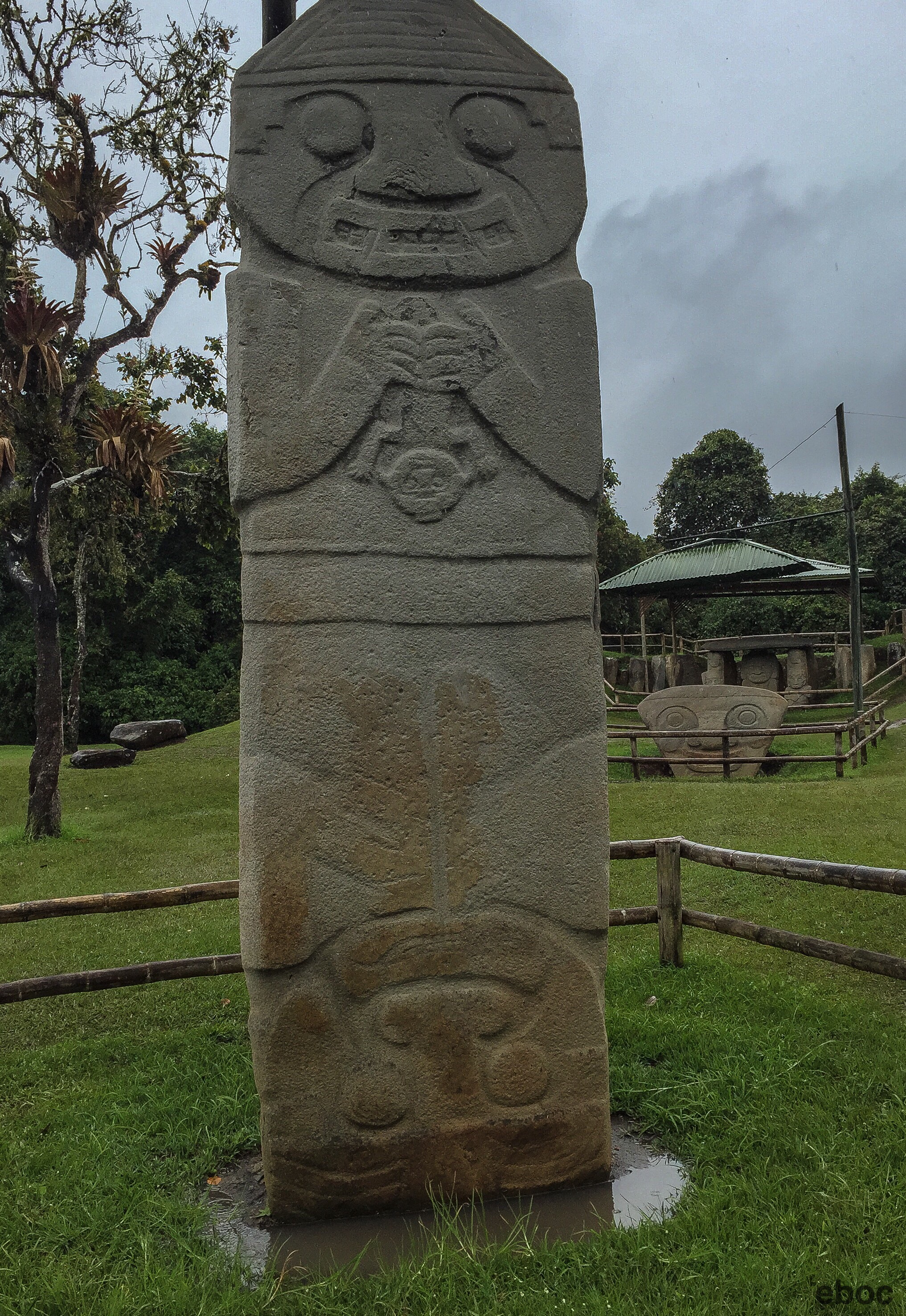
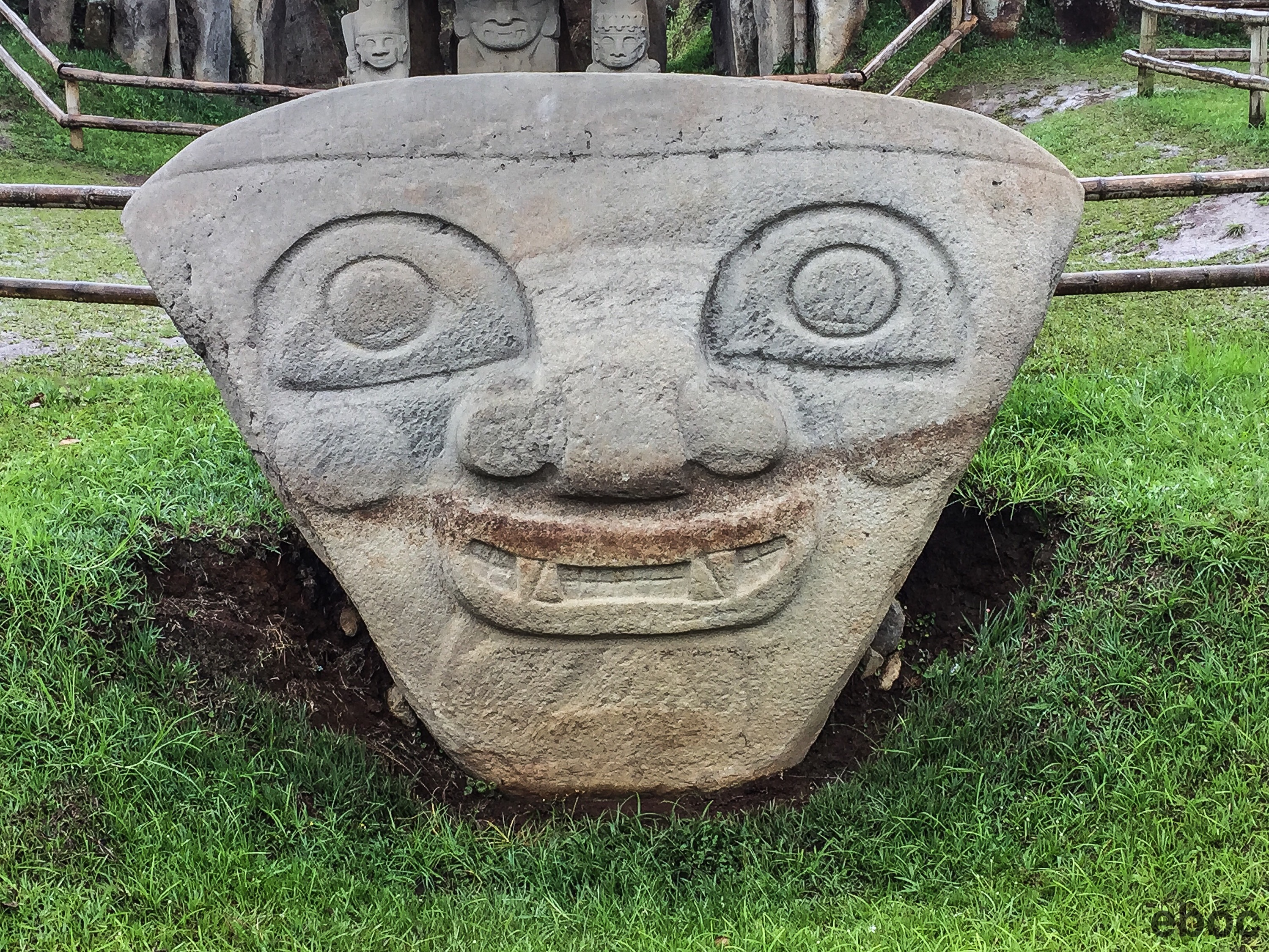
    It is known for funerary statues found in tombs in the surrounding mountains. The people who carved the statues settled the region c. 1000 BC and died or abandoned the area c. 1300 AD. 


    Not a lot is known about their culture, language, or why the statues were put in tombs. 


    Some of the figures are similar to those found in other Andean cultures. 


    Just outside of San Agustin is an archeological park that has the best preserved stones. 


    I also went on a jeep tour to the archeological sites in Isnos, a town that is a mountain away from San Agustin. 


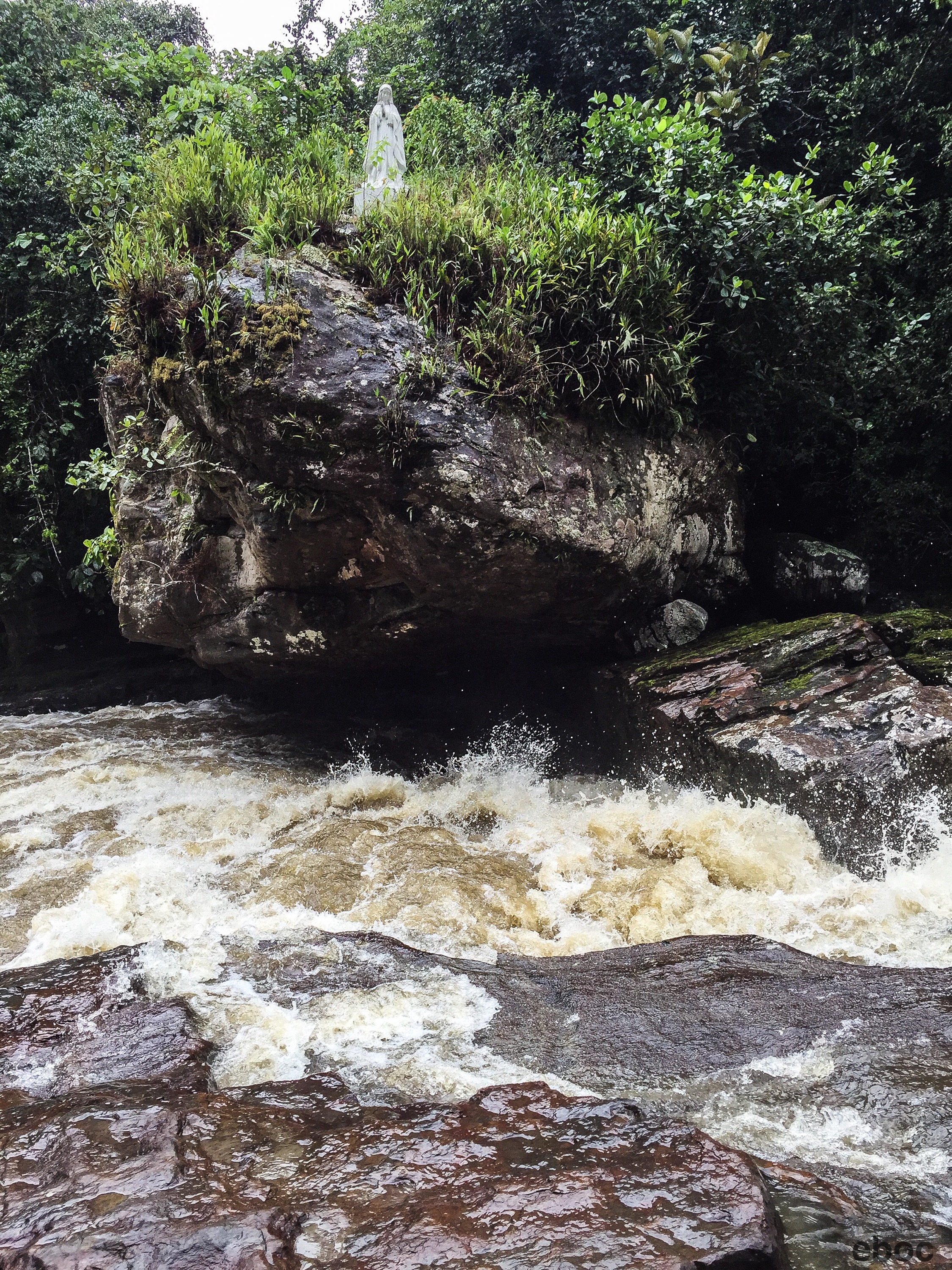
    Also on the tour was a stop along the Magdalena River. There is a part called the narrows where the river is forced between rocks 2 meters apart. 


    And we also saw a few cascades.  The tour is largely designed for tourists from Bogota and this allows them some additional time in nature. 

      
    The statues are interesting, but you get the idea pretty quickly.    


    It Happened One Night 

    Santa Marta, Magdalena, Colombia: Happily most of my trip over the last five months has happened without incident. It’s been wonderful: better than I could have imagined. 
    That was until last night. The hostel I’m staying in is in an old colonial building which has balconies on the second story overlooking the street. Apparently it is easy for an enterprising thief to get onto the balconies and into the dorm rooms. 
    My phone was under my pillow but most have become dislodged during the night. It was taken along with 50,000 pesos that were in my pants pockets. Thankfully that’s only $20, but the thief was thorough. 
    Needless to say don’t stay at the Masaya Hostel in Santa Marta.